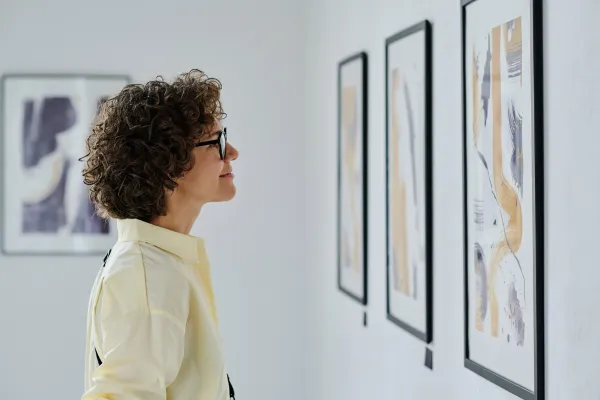
Cargo Cart Pro: Enhancing Accessibility During Art Exhibits and Museum Visits
Art exhibits and museum visits offer invaluable opportunities for cultural enrichment, intellectual stimulation, and personal enjoyment. They provide a window into history, art, science, and the human experience, fostering curiosity, expanding knowledge, and promoting a deeper appreciation for the world around us. However, for individuals with disabilities, navigating these spaces and fully engaging with exhibits can present a range of unique challenges. The Cargo Cart Pro is designed to enhance accessibility during art exhibits and museum visits, providing practical solutions that make these cultural experiences more manageable, comfortable, and enjoyable for everyone.
The Profound Value of Cultural Experiences
Art exhibits and museum visits are much more than just a pastime; they are essential for individual and societal growth.
Promoting Cultural Enrichment: Museums and art exhibits expose individuals to diverse cultures, artistic expressions, and historical perspectives, broadening their understanding of the world and fostering empathy.
Stimulating Intellectual Curiosity: Museums, in particular, can ignite curiosity and encourage a lifelong love of learning. They offer insights into science, history, nature, and countless other subjects.
Enhancing Cognitive Function: Engaging with art and learning new information can stimulate cognitive function, improving memory, attention, and critical thinking skills.
Providing Emotional Benefits: Art can evoke a range of emotions, providing a powerful outlet for self-expression and emotional processing. Museums can also offer a sense of calm and reflection.
Fostering Social Connection: Museums and exhibits can be social spaces, providing opportunities to connect with others who share similar interests and engage in meaningful conversations.
The Multifaceted Challenges During Cultural Outings
Despite the numerous benefits, several challenges can hinder individuals with disabilities from fully enjoying art exhibits and museum visits.
Transportation of Personal Items: The Burden of Belongings
Carrying bags, coats, cameras, notebooks, assistive devices, and other personal items can be difficult, especially when navigating large or crowded spaces.
Examples:
Individuals using wheelchairs or walkers may struggle to carry bags while maneuvering through exhibits.
Seniors may experience fatigue or pain when carrying heavy items for extended periods.
Families with young children may find it challenging to manage diaper bags, snacks, and other essentials.
This difficulty in transporting belongings can limit the duration of visits and reduce overall enjoyment.
Navigation of Museum Spaces: The Obstacles of Environment
Museums and art galleries can be large and complex, with crowded exhibits, winding hallways, and uneven flooring, making navigation challenging.
Examples:
Individuals using wheelchairs or scooters may find it difficult to maneuver through narrow aisles or crowded exhibit halls.
People with visual impairments may struggle to find their way around an unfamiliar layout or read exhibit labels.
Those with cognitive impairments may become disoriented or overwhelmed by the size and complexity of the space.
These navigation challenges can create anxiety, frustration, and a sense of exclusion.
Accessibility of Exhibits: The Barriers to Engagement
Exhibits themselves may not always be fully accessible, limiting the ability of some individuals to fully engage with the artwork or displays.
Examples:
Artwork may be displayed at a height that is difficult to view from a wheelchair.
Exhibit labels may be too small or lack alternative formats for individuals with visual impairments.
Interactive exhibits may not be designed to accommodate individuals with motor impairments.
These accessibility barriers can prevent individuals from fully appreciating and learning from the exhibits.
Physical Strain: The Demands on the Body
Prolonged walking or standing, navigating large spaces, and carrying items can cause physical strain and discomfort.
Examples:
Individuals with arthritis or chronic pain may experience increased discomfort from prolonged standing or walking.
Seniors may tire easily when navigating large museum halls.
Carrying heavy bags can strain muscles and joints.
This physical strain can limit the duration of visits and reduce overall enjoyment.
Sensory Overload: The Overwhelm of Stimulation
Crowded exhibits, loud noises, bright lights, and other sensory stimuli can be overwhelming for some individuals, particularly those with sensory sensitivities.
Examples:
Individuals with autism spectrum disorder may experience sensory overload in noisy or crowded environments.
People with anxiety disorders may feel overwhelmed in large, unfamiliar spaces.
Those with migraines or other sensory sensitivities may be triggered by bright lights or strong smells.
This sensory overload can cause discomfort, anxiety, and a reduced ability to focus and enjoy the experience.
Time Management: The Challenge of Balance
Balancing museum or exhibit visits with other responsibilities, such as work, family, or personal needs, can be challenging.
Examples:
Finding time for a museum visit within a busy schedule.
Managing time effectively while at the museum to see desired exhibits.
Coordinating transportation and caregiving responsibilities.
These time management challenges can limit the frequency and duration of museum visits.
Cargo Cart Pro: Your Ally in Cultural Exploration
The Cargo Cart Pro is designed to address these multifaceted challenges, providing a convenient and adaptable solution that enhances accessibility and promotes a more enjoyable and enriching museum or exhibit experience.
Easy Transport: Moving with Ease and Confidence
The Cargo Cart Pro's wheels and maneuverability make it easy to move bags, coats, cameras, notebooks, and other personal items throughout the museum or exhibit space.
Benefits:
Reduces the need to carry heavy bags, minimizing physical strain and fatigue.
Allows for easier navigation of crowded spaces and uneven surfaces.
Provides a stable and secure platform for transporting valuable or fragile items.
Enhances independence and allows individuals to explore at their own pace.
Organized Storage: Keeping Essentials Accessible and Secure
Multiple storage compartments help keep belongings organized and secure, ensuring easy access to needed items and preventing loss or damage.
Benefits:
Provides designated space for different types of items, preventing clutter and disorganization.
Allows for easy access to maps, brochures, or exhibit guides.
Keeps personal items safe and secure, reducing anxiety about theft or loss.
Promotes a more organized and stress-free museum experience.
Enhanced Mobility: Facilitating Movement and Stability
The stable design provides additional support and stability, facilitating movement within crowded exhibits and museum halls.
Benefits:
Reduces the risk of trips, falls, or collisions while navigating crowded spaces.
Provides a stable base for standing or resting during visits.
Allows for easier maneuvering in tight spaces or around displays.
Enhances comfort and reduces fatigue during long visits.
Reduced Physical Strain: Conserving Energy and Promoting Comfort
By minimizing the need to carry heavy items and providing stable support, the Cargo Cart Pro reduces physical strain and promotes a more comfortable museum experience.
Benefits:
Reduces strain on back, arms, legs, and joints.
Prevents muscle fatigue and pain.
Allows individuals to conserve energy for focusing on the exhibits.
Contributes to a more positive and sustainable museum visit.
Increased Independence: Empowering Self-Reliance and Control
The Cargo Cart Pro empowers individuals to manage their museum or exhibit experience with greater independence, reducing reliance on assistance from others.
Benefits:
Allows for greater autonomy in exploring exhibits and navigating museum spaces.
Reduces the need to ask for help with carrying items or finding information.
Fosters a sense of self-reliance and accomplishment.
Enhances self-esteem and confidence in engaging with cultural activities.
Adaptable Configuration: Meeting Diverse Needs and Preferences
The adaptable configuration allows for customization to suit individual needs, preferences, and the specific requirements of different museum or exhibit visits.
Benefits:
Adjustable height and handle to accommodate different users.
Removable compartments to create flexible storage options.
Various accessories to enhance functionality and personalize the experience.
Ensures that the product is user-friendly and meets a wide range of needs.
Tips for Maximizing Your Museum and Exhibit Experience
In addition to using the Cargo Cart Pro, there are several other strategies that can enhance the accessibility and enjoyment of art exhibits and museum visits.
Plan Ahead: Researching and Preparing for a Smooth Visit
Thoroughly research accessible museum layouts, transportation options, and exhibit information before your visit.
Examples:
Check the museum's website or contact staff to inquire about accessible entrances, restrooms, parking, and transportation.
Obtain a museum map or floor plan in advance to familiarize yourself with the layout.
Inquire about accessible programs or tours for individuals with specific needs.
This proactive approach minimizes surprises and ensures a more comfortable and enjoyable experience.
Utilize Museum Resources: Taking Advantage of Available Support
Take full advantage of available resources and assistance provided by museum staff or volunteers.
Examples:
Use wheelchairs or scooters provided by the museum.
Request large-print or audio guides for exhibits.
Ask staff for directions or assistance with navigation.
Inquire about accessible seating or rest areas.
Museum staff is typically eager to help and ensure that all visitors have a positive experience.
Communicate Needs: Advocating for Comfort and Inclusion
Clearly and respectfully communicate your specific needs and preferences to museum staff to ensure a comfortable and inclusive visit.
Examples:
Inform staff about any mobility limitations, sensory sensitivities, or other relevant information.
Request accommodations, such as a quiet space to rest or a less crowded time to visit.
Provide feedback on accessibility issues to help the museum improve its services.
Pace Yourself: Managing Energy and Sensory Input
Take breaks as needed to avoid physical strain, manage sensory overload, and maintain energy levels throughout your visit.
Tips:
Sit down and rest periodically.
Avoid overexertion and limit the duration of your visit if necessary.
Find a quiet area to take a break from crowds and noise.
Stay hydrated and nourished to maintain energy levels.
Organize Belongings: Streamlining Your Visit
Organize personal items, such as maps, brochures, and assistive devices, effectively for easy access and quick retrieval.
Examples:
Use a small bag or pouch to store frequently used items.
Keep maps and brochures handy for navigation.
Ensure that assistive devices are readily available.
This organization minimizes fumbling and distractions, allowing you to focus on the exhibits.
Utilize Sensory Aids: Enhancing Comfort and Focus
Consider using sensory aids such as noise-canceling headphones, sunglasses, or fidget toys to manage sensory input and promote comfort.
Benefits:
Reduces distractions and promotes focus on the exhibits.
Minimizes anxiety and discomfort caused by loud noises, bright lights, or other sensory stimuli.
Provides a sense of control and promotes a more positive museum experience.
The Profound Importance of Cultural Experiences
Art exhibits and museum visits are essential for promoting cultural enrichment, intellectual stimulation, and personal enjoyment.
Benefits of Cultural Engagement: Expands knowledge and understanding of art, history, science, and other subjects. Fosters critical thinking and appreciation for diverse perspectives. Stimulates creativity and imagination. Provides opportunities for personal reflection and self-discovery. * Enhances self-esteem and a sense of accomplishment.
Building Museum and Exhibit Confidence: Empowerment Through Exploration
Successfully navigating art exhibits and museum visits builds museum and exhibit confidence and enhances cultural appreciation skills. It empowers individuals to engage fully with cultural experiences, fostering a sense of accomplishment and enjoyment.
Outcomes of Successful Museum Visits: Increased belief in one's ability to navigate cultural spaces. Greater willingness to explore new museums and exhibits. Improved knowledge and appreciation of art and culture. Enhanced communication and social interaction skills. * A more enriched and fulfilling life.
The Cargo Cart Pro is a valuable tool that can contribute to these positive outcomes. By simplifying logistics, promoting organization, and enhancing mobility, it empowers individuals to access and enjoy the rich cultural experiences offered by art exhibits and museums.
Join the Waitlist for the Cargo Cart Pro and enhance your art exhibit and museum visit experiences!

